Lipo Laser vs Radio Frequency: Comparing Non-Surgical Body Contouring Options
May 8, 2026
Microneedling With PRP: How the Combination Works and What to Expect
May 21, 2026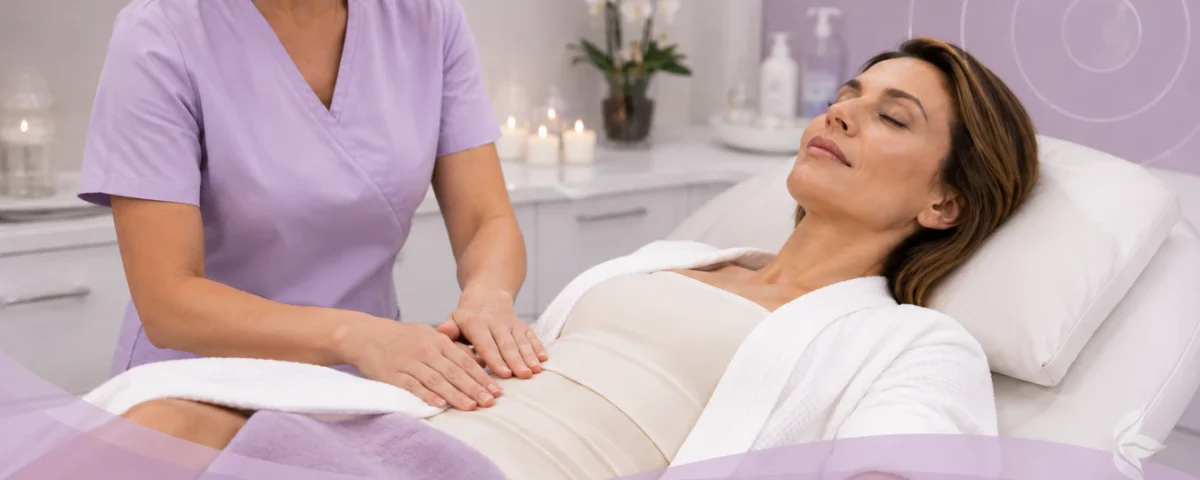
If you have a procedure coming up, or you are already in recovery, you may have heard other patients mention lymphatic massage as part of their healing routine. Because swelling and fluid retention are common after many surgical procedures, some patients look for supportive services that may help them feel more comfortable during recovery. This guide explains what lymphatic massage is, general timing considerations, and the questions worth asking before you book a session.
Important note before you continue reading: Every surgery, surgeon, and patient is different, so nothing in this article should replace guidance from the surgeon or physician who performed your procedure. Always confirm timing and candidacy with your surgical team before scheduling any post-operative massage.
What Is Lymphatic Massage?
Lymphatic massage is a gentle, rhythmic technique designed to encourage movement of lymph fluid through the body’s lymphatic system. Unlike deep tissue massage, the pressure used is light, since the goal is to support natural fluid drainage rather than manipulate deeper muscle tissue. Because the lymphatic system does not have its own pump like the circulatory system does, this gentle, directional technique is thought to help encourage the movement of excess fluid toward areas where the body can process and eliminate it.
Why Patients Consider It After Surgery
Swelling, or edema, is a normal part of the body’s healing response after many surgical procedures, since the body sends fluid to the area to support tissue repair. Some patients find that gentle lymphatic massage, once cleared by their surgeon, makes them feel more comfortable during this swelling phase. That said, evidence on how much lymphatic massage specifically speeds recovery varies by procedure type, and results are not guaranteed or universal for every patient or every kind of surgery.
Because of this, it is worth approaching lymphatic massage as a potential comfort-focused addition to your recovery plan, rather than a required or guaranteed step. Your surgeon remains the best source for whether this service fits appropriately into your specific recovery timeline.
When to Start: Timing Considerations
Timing after surgery varies considerably depending on the type of procedure, your individual healing progress, and your surgeon’s specific protocol. While some patients are cleared for gentle lymphatic work within the first couple of weeks after certain procedures, others need to wait considerably longer, particularly after more invasive surgeries. Because incision healing, drain removal, and swelling patterns all factor into this decision, only your surgeon can confirm when, or whether, lymphatic massage is appropriate for your specific situation.
Rather than following a generic timeline you may have seen online, schedule a follow-up conversation with your surgical team specifically about post-operative massage before booking any appointment. Bringing a written clearance or specific instructions from your surgeon to your first session also helps your massage provider tailor the session appropriately.
What a Session Typically Involves
Once you have surgeon clearance, a lymphatic massage session generally follows a calm, structured format:
- Intake conversation: Your provider reviews your surgical history, current healing stage, and any clearance documentation from your surgeon.
- Treatment area discussion: You and your provider discuss which areas are appropriate to work on, avoiding incision sites that have not fully healed.
- Gentle, rhythmic massage: Your provider uses light, directional strokes designed to encourage fluid movement toward the body’s natural drainage pathways.
- Aftercare guidance: Your provider explains what sensations are normal afterward and when to follow up with your surgeon if anything feels unusual.
Sessions are generally calm and low-impact, so most patients find the experience relaxing rather than uncomfortable, provided the massage stays within the gentle pressure appropriate for post-surgical tissue.
Common Post-Surgical Scenarios
Because recovery timelines and considerations differ so much by procedure, the table below offers general context only. Your surgeon’s specific instructions always take priority over any general guidance.
| Procedure Type | General Considerations |
| Body contouring procedures | Swelling and fluid retention are common; many surgeons build post-operative massage into a broader recovery plan once cleared |
| Facial procedures | Swelling is typically more localized; timing and technique differ significantly from body procedures |
| Reconstructive or medically necessary surgery | Recovery protocols vary widely by surgeon and procedure; always defer entirely to your surgical team’s specific guidance |
Regardless of which category applies to you, treat this table as a starting point for a conversation with your surgeon, not as a substitute for their individualized recommendation.
Questions to Ask Before Booking a Session
Because post-surgical recovery involves real medical considerations, arriving prepared with the right questions helps you make an informed decision. Consider asking your surgeon:
- How soon after my procedure would you consider lymphatic massage appropriate, if at all?
- Are there any areas I should avoid having worked on during my recovery?
- Are there warning signs during recovery that should prompt me to cancel or postpone a session?
- Do you have a preferred provider or specific technique you recommend?
Then, once you have clearance, ask your massage provider:
- Do you have experience working with post-surgical clients specifically?
- What pressure level and technique will you use given my stage of recovery?
- What should I expect to feel during and after the session?
- What symptoms would mean I should stop and contact my surgeon?
What to Expect During and After Your Session
During a properly performed post-surgical lymphatic massage, pressure should remain light throughout, and you should not experience sharp pain. Afterward, some patients notice mild, temporary changes in swelling patterns as fluid shifts, along with a general sense of relaxation. Because everyone’s healing process looks different, contact your surgeon promptly if you notice increased pain, redness, warmth, or any symptom that concerns you following a session, rather than waiting to see if it resolves on its own.
Who Should Wait or Avoid Lymphatic Massage
Certain situations call for caution or a delay before beginning lymphatic massage, and only your surgeon can confirm which apply to you. These generally include unhealed incisions, active infection, signs of a blood clot, or drains that have not yet been removed. Because these are medical considerations rather than general wellness preferences, never schedule a post-surgical massage without explicit clearance from the surgeon who performed your procedure.
If you experience sudden swelling in one leg, chest pain, shortness of breath, fever, or any symptom that feels medically urgent, contact your surgeon or seek emergency care immediately rather than scheduling or attending a massage appointment.
How Providers Tailor Sessions to Post-Surgical Clients
An experienced lymphatic massage provider adjusts their approach based on your specific stage of healing, rather than applying a one-size-fits-all technique. Early sessions, once cleared, tend to involve lighter pressure and shorter duration, while later sessions may gradually progress as your surgeon confirms continued healing. Because communication between you, your surgeon, and your massage provider matters throughout this process, keep all three parties informed if your recovery timeline changes or if you notice anything unusual between appointments.
Frequently Asked Questions
How soon after surgery can I get a lymphatic massage?
Timing depends entirely on your specific procedure and your surgeon’s assessment of your healing. Some patients are cleared within a couple of weeks, while others need considerably longer. Always confirm timing directly with your surgeon before booking.
Does lymphatic massage guarantee faster healing?
No treatment can guarantee a specific recovery outcome. Some patients find gentle lymphatic massage supportive and comfortable once cleared, but individual results and appropriateness vary by procedure and patient.
Is lymphatic massage painful after surgery?
Properly performed lymphatic massage uses light, gentle pressure and should not cause sharp pain. If a session feels painful, tell your provider immediately, since pressure should always stay within a comfortable range for healing tissue.
Can I go straight from my surgeon’s office to a massage appointment?
Only if your surgeon has specifically cleared you for lymphatic massage and confirmed the appropriate timing. Bringing written instructions or clearance to your first appointment helps your provider tailor the session safely.
What if I notice increased swelling after a session?
Contact your surgeon promptly to describe what you are experiencing, rather than waiting to see if it resolves. While some fluctuation can be normal, your surgeon is best positioned to determine whether what you are noticing warrants attention.
Do I need a referral from my surgeon to book a session?
Requirements vary by provider, though bringing documented clearance or instructions from your surgeon is strongly recommended for any post-surgical massage, even if not strictly required to book an appointment.
Considering Post-Surgical Lymphatic Massage?
Ecologica Medical Spa offers Lymphatic Massage for clients throughout Montebello and the surrounding Los Angeles area. Because post-surgical candidacy depends on your specific procedure and healing progress, we ask that you obtain clearance from your surgeon before your first session. To ask questions or schedule an appointment once cleared, call (323) 888-8805 or visit us at 1200A W Beverly Blvd, Montebello, CA 90640.
This article is for general educational purposes only and is not medical advice. It does not replace guidance from your surgeon or treating physician. Always obtain clearance from your surgical team before beginning any post-operative massage, and seek immediate medical attention for any symptoms that feel urgent or concerning.