
How Much Does Vitamin C IV Therapy Cost? What Affects the Price
March 12, 2026
Face Lifting Treatment Clinic The Complete Guide to Non Surgical Skin Lifting and Tightening
April 6, 2026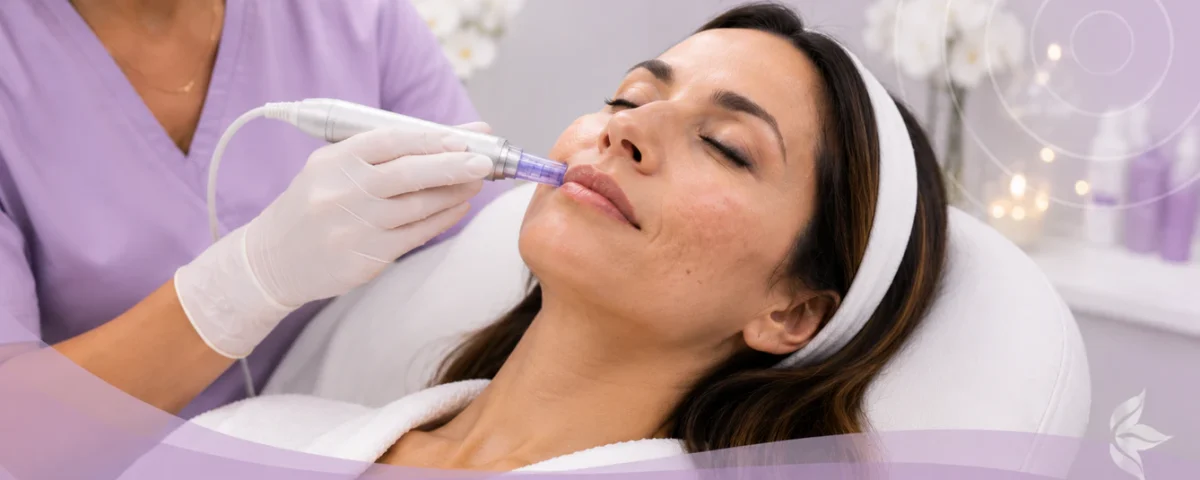
Acne scarring is one of the most common reasons patients look into microneedling, and for good reason. Because microneedling works by triggering your skin’s own repair process, it addresses acne scars at their source rather than simply masking them with a topical product. That said, not every type of acne scar responds the same way, so understanding how the treatment works and what results realistically look like helps you set expectations before your first session.
This guide walks through how microneedling improves the appearance of acne scars, which scar types tend to respond best, and what a typical treatment course involves.
How Microneedling Improves the Appearance of Acne Scars
Microneedling is based on your skin’s natural ability to repair itself after physical damage, such as a cut or abrasion. During treatment, a device creates very superficial, controlled micro-injuries using a single-use sterile needle head. Because your body responds to these micro-injuries by triggering new collagen synthesis, the treatment essentially prompts your skin to rebuild itself from within. Since acne scars form when the skin’s normal collagen structure is disrupted during breakouts, stimulating fresh collagen production in that same area can gradually soften how noticeable the scarring appears.
Unlike more aggressive resurfacing treatments, microneedling works at a superficial level, which is part of why it can be used on a wider range of skin tones with less risk of pigmentation changes. However, because results depend on your body generating new collagen over time, improvement tends to unfold gradually across a series of sessions rather than after a single visit.
Which Types of Acne Scars Respond Best?
Not all acne scars are created equal, and the type of scarring you have affects how much improvement you can realistically expect. The table below outlines common acne scar types and general considerations for each.
| Scar Type | Description | General Response to Microneedling |
| Rolling scars | Shallow, wave-like depressions with smooth edges | Often respond well, since collagen remodeling can help smooth the underlying texture |
| Boxcar scars | Wider, more defined depressions with sharper edges | May improve with a series of sessions, though depth affects results |
| Ice pick scars | Narrow, deep, pinpoint scars | Tend to respond less predictably; combination treatments are often discussed |
| Hypertrophic or keloid scars | Raised, thickened scar tissue | Generally require a different treatment approach; your provider can advise |
Because scar depth and type vary so much from person to person, a hands-on evaluation is the most reliable way to determine which category your scarring falls into and how much improvement microneedling can reasonably offer. Your provider may also discuss combining microneedling with other treatments if your scarring includes multiple types.
What a Session Involves
At Ecologica Medical Spa, a microneedling session for acne scars generally follows a consistent process. A topical numbing cream is applied about 30 minutes before treatment begins to help minimize discomfort, since the treated area can otherwise feel sensitive to sensitive skin types. Your provider then uses a single-use sterile needle head to treat the scarred area, with the full session typically taking between 30 and 60 minutes depending on how much of the face or body needs attention.
Afterward, most patients notice redness and mild swelling similar to a moderate sunburn, which is a normal part of the skin’s healing response rather than a cause for concern.
Before Your First Session
A few preparation steps help set your skin up for the best possible response to treatment. Before your appointment:
- Avoid Accutane for six months prior to treatment.
- Avoid retinoids, topical antibiotics, exfoliants, and hydroquinone for three days prior to your session.
- Avoid laser procedures for the seven days leading up to your appointment.
Because these products and treatments can increase skin sensitivity, following this preparation window helps reduce the chance of irritation and supports a smoother recovery afterward.
Recommended Treatment Course
Acne scarring generally responds best to a series of sessions rather than a single treatment, since collagen remodeling builds gradually with each visit. A complimentary evaluation is required before purchasing a series, so your provider can assess your specific scarring and recommend how many sessions are likely to get you the results you are looking for. Spacing between sessions allows your skin adequate time to heal and generate new collagen before the next treatment.
Because everyone’s scarring and skin response differ, your provider will tailor a specific plan during your evaluation rather than applying a generic session count to every patient.
What Results Look Like and When to Expect Them
Results vary from person to person, and healing time differs based on your specific skin and the extent of your scarring. Most patients begin noticing changes anywhere from one day to about a week after a single session, though the more meaningful improvement in scar texture develops gradually across your full recommended series. Since acne scars took time to form, it makes sense that softening their appearance also takes a sustained, gradual approach rather than a quick fix.
Aftercare
Following your provider’s aftercare guidance closely supports both comfort and results. General aftercare includes:
- Use Tylenol as needed for any soreness following treatment.
- Avoid strenuous exercise or activities that cause sweating for 24 hours.
- Apply ice packs as needed to reduce swelling, discomfort, or redness.
- Avoid direct sun exposure for three days, and apply SPF 30 or higher every two hours when outdoors.
- Wait 24 hours before wearing makeup over the treated area.
Because your skin is more sensitive than usual immediately after treatment, sticking closely to this aftercare routine helps protect your results and supports a smoother, more comfortable recovery.
Microneedling for Acne Scars vs. Other Options
Microneedling is one of several approaches patients consider for acne scarring, and it is often discussed alongside treatments like platelet-rich plasma therapy or professional exfoliation options such as microdermabrasion. While microdermabrasion works at the skin’s surface to improve texture and tone, microneedling works beneath the surface to stimulate deeper collagen remodeling, which is generally why it is more commonly recommended specifically for scarring rather than surface-level dullness. Because every patient’s skin and scarring differ, your provider can help you understand which single treatment, or which combination, best matches your specific goals.
Who Is a Good Candidate?
Most patients dealing with mild to moderate acne scarring are reasonable candidates for microneedling, though certain situations call for a modified approach or a different treatment altogether. Active acne breakouts, active skin infections, and recent Accutane use are among the factors your provider will review during your evaluation. Since a thorough assessment helps identify these situations early, the complimentary consultation remains an important first step before beginning treatment.
What to Expect at Your Consultation
Your complimentary evaluation typically starts with a close look at your scarring under good lighting, since scar type and depth are easier to assess in person than from a photo. Your provider will also ask about your acne history, including when breakouts stopped and whether you are still experiencing active flare-ups, because treating actively inflamed skin generally needs to wait until breakouts are under control. From there, your provider builds a session plan around your specific scarring pattern rather than a one-size-fits-all protocol.
Bringing a clear sense of your goals, whether that is smoothing overall texture or addressing a few specific areas, helps your provider prioritize the sessions and techniques most likely to make a visible difference for you. Because scarring often improves gradually, your provider will also set realistic expectations for how many sessions to plan for and roughly when you can expect to start noticing change.
Frequently Asked Questions
How many microneedling sessions will I need for acne scars?
The number of sessions depends on your specific scarring type and depth, which is why a complimentary evaluation is required before purchasing a series. Your provider will recommend a tailored plan based on your assessment.
Does microneedling work on all types of acne scars?
Not equally. Shallower scars like rolling and some boxcar scars tend to respond more predictably, while deeper ice pick or raised scars often need a different or combined approach. Your provider can assess your specific scarring during a consultation.
Is microneedling for acne scars painful?
Most patients describe mild discomfort rather than significant pain, largely because a topical numbing cream is applied before treatment begins. Sensitive skin types may notice more sensation during the session.
How long is recovery after treatment?
Redness and mild swelling are common immediately afterward and generally improve within a few days. Most patients can resume normal activities the next day, keeping the aftercare guidance in mind.
Can microneedling be combined with other treatments for better scar results?
Yes, many patients combine microneedling with other options depending on their scarring type. Your provider can discuss whether a combination approach fits your specific goals.
When will I see results?
Most patients notice initial changes within a day to a week after a session, while more significant improvement in scar texture develops gradually over a full series of treatments.
Ready to Address Your Acne Scarring?
Ecologica Medical Spa offers microneedling for patients throughout Montebello and the greater Los Angeles area, with a complimentary evaluation available to assess your scarring and build a tailored treatment plan. Learn more about our Micro-needling treatment. To schedule your consultation, call (323) 888-8805 or visit us at 1200A W Beverly Blvd, Montebello, CA 90640.
This article offers general educational information and does not replace a personalized skin consultation. A licensed provider should evaluate your scarring, skin type, and health history before recommending a specific treatment plan.